TL;DR Cody here. When someone walks up and tells me they’re thinking about a Cub Cadet UTV, my first question is never about colour or...
group
Who This Article Is For
check_circleAnyone interested in boats, motors, or outdoor power equipment
check_circleNorthern Ontario homeowners and outdoor enthusiasts
check_circlePeople comparing products or planning a purchase
TL;DR
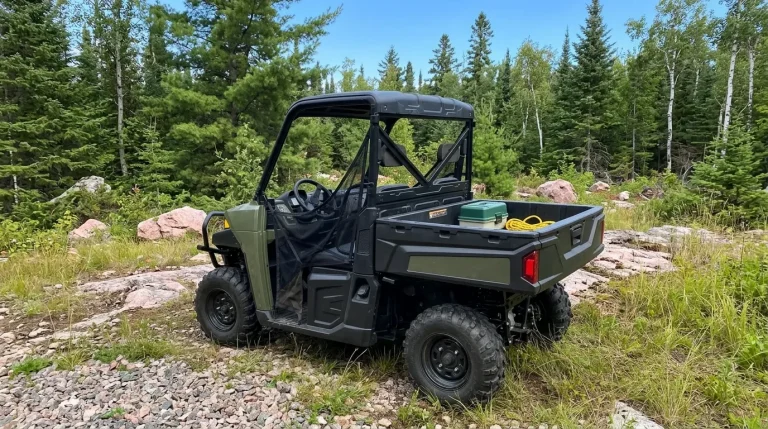
Cody here. When someone walks up and tells me they’re thinking about a Cub Cadet UTV, my first question is never about colour or trim level, it’s what they’re actually going to do with it week to week. That one answer decides almost everything else: how much power and clearance makes sense, whether a cab is worth it, what the bed and towing setup needs to handle, and how much they’ll care about maintenance access three years from now when something needs a look.
In this guide I go through the questions I actually ask people before I point them toward a specific setup: work versus trail use, 2WD versus 4WD, cab and enclosure needs for a real Northern Ontario winter, seating and cargo bed practicality, and how easy the machine is to maintain once the new-machine shine wears off. I’m not going to hand you a spec sheet with numbers pulled from a brochure, because those change by model year and configuration, and I’d rather you call and talk through our current Cub Cadet UTV lineup with someone who can match it to your actual property and use case. What I can give you is the framework I use every time this conversation happens at the bench.
Cody, marine and ATV bench at Reyco Marine, Sault Ste. Marie.
format_quote
“We built this business on one idea: if we take care of people honestly, they will keep coming back. That is not a marketing line. That is how we run the shop every single day.”
Before I talk features with anyone, I want to know what the machine’s actual job is going to be. A UTV that spends its life hauling feed and firewood around a property has a different ideal setup than one that mostly gets loaded on a trailer for weekend trail rides, and a lot of buyer’s remorse I see comes from someone buying for the ride they imagined instead of the work they actually do most days. If you’re weighing Cub Cadet against other options, our Hisun UTV buyer’s guide walks through the same work-versus-trail questions for that lineup.
Work and Property Use Versus Trail and Recreation
If most of your use is going to be property work, hauling tools, moving fence posts, plowing a driveway, checking on livestock, then the things that matter most are bed capacity, towing ability, and low-speed control rather than top speed or suspension travel. That’s a different priority list than someone whose main use is trail riding on weekends, where seat comfort over long rides, ground clearance for rougher terrain, and how the machine handles at speed start to matter a lot more. Plenty of buyers genuinely need both, and that’s fine, but it’s worth being honest with yourself about which one is the primary use, because that’s the one I’d optimise the choice around first.
Why Terrain Changes the Answer
The land itself changes this conversation too. A flat, cleared property with good gravel or grass footing asks less of a machine than a property with rock, mud, steep grades, or heavy bush. If you’re regularly crossing wet ground, loose rock, or anything with real elevation change, that pushes the conversation toward more capable drivetrain and clearance options. If your property is mostly flat and maintained, you can often get away with less machine than you think you need, and I’d rather steer someone toward the right-sized machine for their actual terrain than the biggest one on the lot.
It also helps to think about how the terrain changes through the year rather than just how it looks the day you’re shopping. A field that’s firm and dry in August can turn soft and rutted after a wet fall, and a driveway that’s a non-issue in July becomes the whole reason you bought the machine once the first real snowfall hits. I try to get people to describe their property across all four seasons, not just the season they happen to be shopping in, because the worst-case month usually matters more to the decision than the easiest one.
2WD Versus 4WD, and How Much Ground Clearance You Really Need
This is the single most common question I get asked at the bench, and the honest answer is that it depends on the terrain and the season more than most people expect going in.
When 2WD Is Genuinely Enough
If your ground is flat, dry most of the year, and you’re not regularly dealing with mud, snow, or loose rock, a 2WD setup can be a perfectly sensible choice, and it’s often the simpler and lighter option to live with day to day. I don’t think every buyer needs to default to 4WD just because it sounds more capable on paper. Plenty of property work, especially in summer and fall on maintained ground, doesn’t ask for more than 2WD reliably delivers.
What 4WD Actually Buys You
Where 4WD earns its keep is exactly the conditions that make 2WD struggle: wet ground, snow, loose gravel on a grade, or anything where you need traction on more than two wheels to keep moving predictably. If you’re planning to run the machine through a real Northern Ontario winter, plough with it, or cross terrain that gets soft or slick at different points in the year, I’d steer that conversation toward 4WD every time. Ground clearance follows a similar logic: if you’re crossing rock, deep ruts, or anything with real obstacles, more clearance keeps the undercarriage out of trouble. If your ground is smooth and maintained, clearance matters less than people assume, and I’d rather match the machine to the terrain you actually have than the terrain you might occasionally encounter once a year.
One thing I always mention: a loaded cargo bed changes traction behaviour more than people expect, since weight sitting over the rear wheels affects how much grip the front end has left on a slick grade. If your typical trip involves hauling a full load up or down an incline, that’s another point in favour of 4WD even on a property that otherwise seems mild. It’s less about chasing the most capable machine on paper and more about being honest with yourself about the worst conditions you’ll actually ask the machine to work in, not the average conditions.
payments
Monthly Payments That Make Sense
Flexible marine and equipment financing from 60 to 180 months.
Cab, Seating, and Cargo Bed: The Parts People Underrate Until They Own One
These are the features I see people talk themselves out of at the counter because they seem like extras, and then call back about six months later once they’ve actually lived with the machine through a season.
Enclosure and Cab Considerations for Real Ontario Winters
A cab or enclosure feels like a nice-to-have when you’re standing in a warm showroom in September, and feels like the single best decision you made once January actually shows up. If you’re planning to run the machine year round, including plowing, checking on property, or hauling through winter weather, I’d genuinely weigh how much time you’ll spend in it during cold months before deciding an enclosure is optional. Heat, wind protection, and keeping snow off you while you’re working matters more than most first-time buyers expect, especially if the machine is doing a real job rather than sitting in storage most of the winter. If your use is mostly summer and fall, an open cab is a reasonable way to keep things simpler and lighter.
Seating, Cargo Bed, and Towing Capacity
Seating comes down to how many people actually ride with you day to day. A machine that seats two is lighter and often simpler, but if you’re regularly bringing a second person along for property work or trail rides, that changes the calculus toward a model built for it from the start rather than trying to make a two-seat setup work for three. The cargo bed is where I see people underestimate their own needs most often. Think about what you’re actually hauling on a normal week, feed, tools, firewood, fencing supplies, and be honest about the volume and weight rather than what you’re hauling on your busiest possible day. Towing capacity matters the same way if you’re planning to pull a small trailer, a wagon, or equipment behind the UTV regularly. I’d rather talk through your actual hauling and towing habits with you directly than have you guess at a configuration based on a brochure number that may not reflect the current lineup.
Weight distribution is worth thinking about too, not just total capacity. A bed loaded unevenly, or a trailer hitched without enough tongue weight balance, changes how the machine handles at speed and on rougher ground, so it’s worth loading and hitching things the same sensible way you would with a truck rather than just piling everything in the back. If towing is a regular part of your plan, mention that early in the conversation, because it can affect which configuration makes sense before you’ve even gotten to the seating question.
campaign
Don't Miss New Arrivals
Seasonal deals, new inventory, and maintenance tips. No spam.
Maintenance Access and What It’s Like to Own One Long-Term
Nobody asks about maintenance access on their first visit to the lot, and almost everybody asks about it once they’ve owned a machine for a year or two. It’s worth thinking about before you buy, not after.
Why Easy Access Under the Hood Matters More Than It Sounds
How easily you, or whoever services the machine, can get at the engine, filters, and fluids affects how much routine maintenance actually gets done on schedule versus put off. A machine that’s a genuine hassle to open up tends to get less regular attention over time, just because of friction, and that catches up with reliability eventually. This is one of the things I actually look at hands-on with a customer if they bring a specific model in to compare, because it’s hard to judge from a spec sheet or a walkaround in a showroom.
I see this play out the same way it does with small engines generally: the machines that get checked regularly because checking them is easy tend to run longer without a surprise repair, and the ones people avoid opening up because it’s a fight to get a panel off tend to show up at the bench with a problem that’s been building for a while. It’s not usually one big failure, it’s a handful of small things that got skipped because the access was annoying, and they added up.
What I Tell People to Ask Before They Buy
Ask how the panels come off for routine service, whether common wear items are easy to reach, and what a typical seasonal service actually involves on the model you’re looking at. Ask what maintenance you can reasonably do yourself versus what’s worth bringing in. And ask about parts and service support in general, since a UTV you own for years is going to need attention eventually no matter how well it’s built, and knowing that support is there before you buy beats finding out you’re on your own after the fact.
swap_horiz
Your Old Equipment Has Value
We accept trade-ins on boats, motors, trailers, and outdoor power equipment.
Do I need 4WD if I only use the UTV in summer? Not necessarily. If your ground is dry, flat, and maintained through the season you’re using it, 2WD is often enough. I’d weigh this against whether you plan to run the machine into fall and winter too, since that changes the answer.
Is a cab worth it if I already have a garage to store the machine in? Storage and daily use are different questions. A cab matters most for comfort and protection while you’re actually operating the machine in cold or wet weather, not for how it sits when it’s parked.
How do I know what cargo bed and towing setup I actually need? Think through a normal week of use rather than your busiest possible day, and bring that list with you when you come in so we can match a configuration to it rather than guessing.
Should I buy based on the biggest engine or highest clearance available? Not automatically. I’d rather match the machine to your actual terrain and workload than default to the most capable option on the lot, since more machine than you need often just means more machine to maintain.
format_quote
“We built this business on one idea: if we take care of people honestly, they will keep coming back. That is not a marketing line. That is how we run the shop every single day.”
CD
Casey Davieaux
Owner, Reyco Marine & Small Engine Ltd.
Need Professional Service?
If you already own a UTV and something under the hood isn’t behaving the way it used to, or you’re due for a seasonal service before winter work starts, bring it by and I’ll take a look. And if you’re still deciding between configurations, come in and talk it through in person, it’s easier to point you at the right setup once I know your property and how you actually plan to use the machine. You can [call us](tel:+17052537828) directly or reach out through our contact page. We’re at 705-253-7828, or come by 11 White Oak Drive East, Sault Ste. Marie, P6B 4J7.
build
Need Professional Service?
Factory-certified technicians. Same-week appointments. We service all brands.
The right Cub Cadet UTV comes down to matching the machine to what you actually do, not to the longest feature list on the lot. Work versus trail use, 2WD versus 4WD, whether a cab earns its keep through your winters, and how easy the machine is to live with once routine maintenance starts are the questions I’d walk through before anything else. Bring me your actual property, your actual hauling and towing habits, and your actual season, and I can help you land on a setup that fits rather than one you talk yourself into on looks alone.